
HVAC marketing is a seasonal business, and your plan should be too
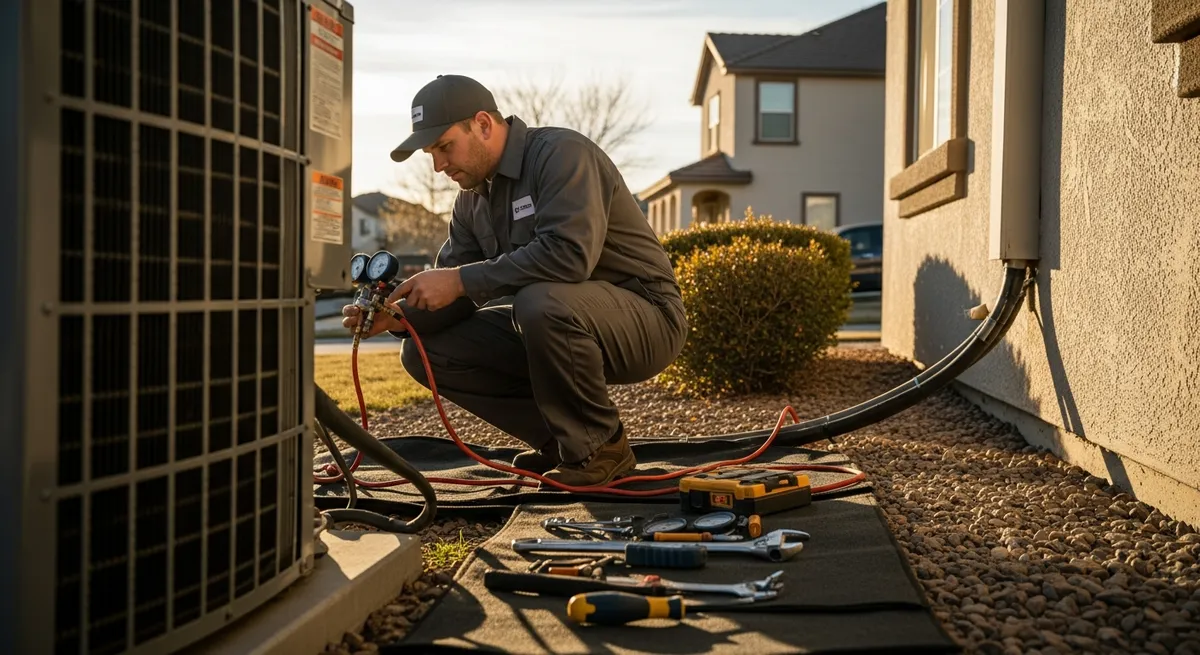
Most home-service marketing runs at a steady hum. HVAC does not. Demand swings hard with the weather, and the companies that grow are the ones that plan for the swing instead of reacting to it. The first cold snap of fall sends furnace calls through the roof. The first stretch of summer heat does the same for air conditioning. In between sit the shoulder seasons, spring and fall, when nobody has an emergency and installs, tune-ups, and maintenance plans become the smart thing to sell.
A good marketing plan matches the calendar. In peak heating and cooling weeks, you compete for people who need help now. In the quieter weeks, you shift spend toward planned work: system replacements, indoor air quality, and maintenance agreements that keep revenue flowing when the phones would otherwise be quiet. If your budget is flat all year, you are overpaying in the slow months and underinvesting exactly when buyers are ready to call.
This guide walks through the pieces that matter most for HVAC: paid search for both emergency and install intent, the map pack and Local Service Ads, reviews, a website built to convert, and how SEO and ads work together over a full year. Everything below is what we do for HVAC clients like Auburn Mechanical and North Sound Boilers, and across our HVAC accounts we have driven monthly leads up 146%.
Google Ads: two very different buyers
HVAC search intent splits into two camps, and treating them the same wastes money. The first is the emergency buyer. Their furnace died overnight, the house is 55 degrees, and they are typing "furnace repair near me" with a credit card in hand. They will call the first credible company that answers. The second is the planning buyer. They are researching a new system, comparing efficiency ratings, and thinking about a project that is weeks or months out.
Emergency campaigns should be built for speed. Bid on repair and "near me" terms, run them hardest during your peak weather windows, and point every click to a page with a phone number above the fold and a form that takes ten seconds to fill out. Call extensions matter here more than almost anywhere else, because a large share of these buyers would rather dial than type. If your ad shows at 6 a.m. on the coldest morning of the year and a human answers, you win the job.
Install and replacement campaigns work differently. These buyers compare, so the click is the start of a conversation, not the end of one. Financing offers, rebate and tax-credit information, brand names, and efficiency language all pull their weight. The landing page should sell trust: real photos, warranty terms, financing, and a clear next step that does not demand a phone call before they are ready. Because the sales cycle is longer, judge these campaigns on booked estimates and closed installs, not on raw click volume. Our approach to structuring both kinds of campaigns lives on our Google Ads page.
Local Service Ads and the map pack
Above the regular paid ads sits a different unit: Local Service Ads, the ones with the Google Guaranteed badge that charge per lead instead of per click. For HVAC, these are often the highest-intent, lowest-cost leads you can buy, because you only pay when someone actually contacts you and the badge does a lot of trust-building before they ever click. Getting in requires passing Google's background and license checks, which is worth the paperwork. If you want the full breakdown of how these work, we wrote a separate guide on Local Service Ads.
Just below that is the local map pack, the three-business block with the map that shows for almost every "HVAC near me" search. Ranking there is not paid. It comes from a complete and accurate Google Business Profile, a steady flow of recent reviews, consistent business information everywhere you appear online, and location content on your site that matches the areas you serve. For a company with several service areas, that means real pages for each city, not one page with a list of towns pasted at the bottom. The map pack and paid ads are not competitors. The best HVAC results come from occupying both, so a searcher sees you whether they scroll to the ads or the map.
Reviews are the HVAC growth engine
No single factor moves the needle for HVAC like reviews. They feed map-pack rankings, they qualify you for Local Service Ads, and they are the deciding factor when a nervous homeowner is choosing who to let into their house during an emergency. A company with 300 recent reviews at 4.8 stars will beat a company with 40 stale ones almost every time, even if the second company does better work.
The key word is recent. A burst of reviews from two years ago reads as a business that may have gone quiet. What you want is a steady stream, which means asking every satisfied customer, every week. The technician who just finished the job is your best asset here. A simple text with a direct review link, sent while the customer is still standing in a warm house they were worried about an hour ago, converts far better than an email three days later. Build the ask into your job-completion process so it happens without anyone having to remember. Volume, freshness, and a fast, human response to the occasional negative review are what compound over time.
Your website decides whether the clicks pay off
You can run flawless ads and rank in the map pack and still lose the job on your own website. Two things matter most: speed and lead capture.
Speed is not a vanity metric for HVAC. A large share of emergency searches happen on a phone, often on mobile data, sometimes in a cold or hot house where patience is thin. If your page takes six seconds to load, a meaningful chunk of those buyers are already dialing your competitor. A fast, clean mobile site is table stakes, and it also helps your organic rankings, so the investment pays off twice.
Lead capture is the other half. Every page should make contacting you effortless: a tap-to-call phone number that stays visible as the page scrolls, and a short form that asks for the few things you actually need. The single most overlooked piece is what happens after someone submits. That lead should trigger an instant notification, a text or an email to whoever books jobs, within seconds, not whenever someone next checks an inbox. In an emergency market, a lead that sits for twenty minutes is often a lost job, because the homeowner has already called the next company on the list. Instant notification turns a form fill into a phone call while the customer is still deciding.
The math is simple. If you are paying for clicks and leads, every improvement in how fast and how often your site converts those leads lowers your true cost per booked job. A site that converts at twice the rate effectively cuts your advertising cost in half.
SEO and ads are better together
Ads and SEO are often pitched as an either-or choice. For HVAC they are two halves of one system, and running them together beats running either alone. Ads buy you immediate visibility, which matters enormously in a business where demand can spike overnight with the weather. SEO builds the durable presence that keeps leads coming in the shoulder seasons and lowers your blended cost per lead over time, because organic traffic and map-pack calls do not carry a per-click charge.
They also feed each other. The keyword data from your ad campaigns shows exactly which services and cities convert, which tells your SEO work where to focus. The content you build for SEO, clear service pages and genuine local city pages, gives your ads better landing pages and higher quality scores, which lowers what you pay per click. The reviews and profile work that lifts your map-pack ranking also strengthens your Local Service Ads. Run in isolation, each is fine. Run together, they compound. That combined program, tuned to the HVAC calendar, is what we build on our HVAC marketing page.
Frequently asked questions
How much should an HVAC company spend on marketing?
There is no single right number, because it depends on your market, your service area, and how aggressive your growth goals are. A more useful way to think about it: set the budget against what a booked job and a new install are worth to you, then weight spend toward your peak heating and cooling weeks and pull back in the slow shoulder seasons. Judge the whole thing on cost per booked job, not on clicks or impressions.
How long does SEO take to work for HVAC?
SEO is a compounding investment, not a switch. Meaningful movement in rankings and organic leads usually takes several months, which is exactly why we pair it with paid search. Ads deliver leads while the SEO foundation is being built, so you are not waiting on results, and over time the organic and map-pack traffic lowers your blended cost per lead.
Are Local Service Ads worth it for HVAC?
For most HVAC companies, yes. You pay per lead rather than per click, the Google Guaranteed badge builds trust before the customer ever contacts you, and the intent is high. The main requirement is passing Google's license and background checks and keeping a healthy flow of recent reviews. For many of our clients, these are among the most efficient leads in the mix.
What is the fastest way to get more HVAC calls right now?
Two moves, quickly. First, make sure your Google Business Profile is complete and you are actively collecting recent reviews, since that drives free map-pack calls. Second, check that your website is fast on mobile and that every lead fires an instant notification to whoever books jobs. Ads can turn on demand overnight, but they only pay off if the calls and forms they generate are answered fast.
Need help?
We write about what we actually do
Every article comes from real client work and real results. If you want that for your business, let us know.