

Demand does not arrive evenly, so your marketing should not either
Short version: almost every home-service trade has a predictable rhythm of busy and slow months. The businesses that grow steadily are the ones that spend more when buyers are ready to buy, build their search visibility during the quiet months, and line up content and promotions with the season instead of running the same plan all year.
Most owners already feel the seasons in their bank account. The phone rings off the hook in one stretch and goes quiet in another. The mistake we see most often is treating the marketing budget as a flat monthly number, disconnected from that rhythm. When demand is at its peak, a flat budget leaves money on the table. When demand is low, that same flat budget burns cash on clicks that were never going to convert. Matching the plan to the calendar fixes both problems at once.
Know your demand cycle before you spend a dollar
Every trade has its own curve, and the first job is to know yours cold. A few of the patterns we work with regularly:
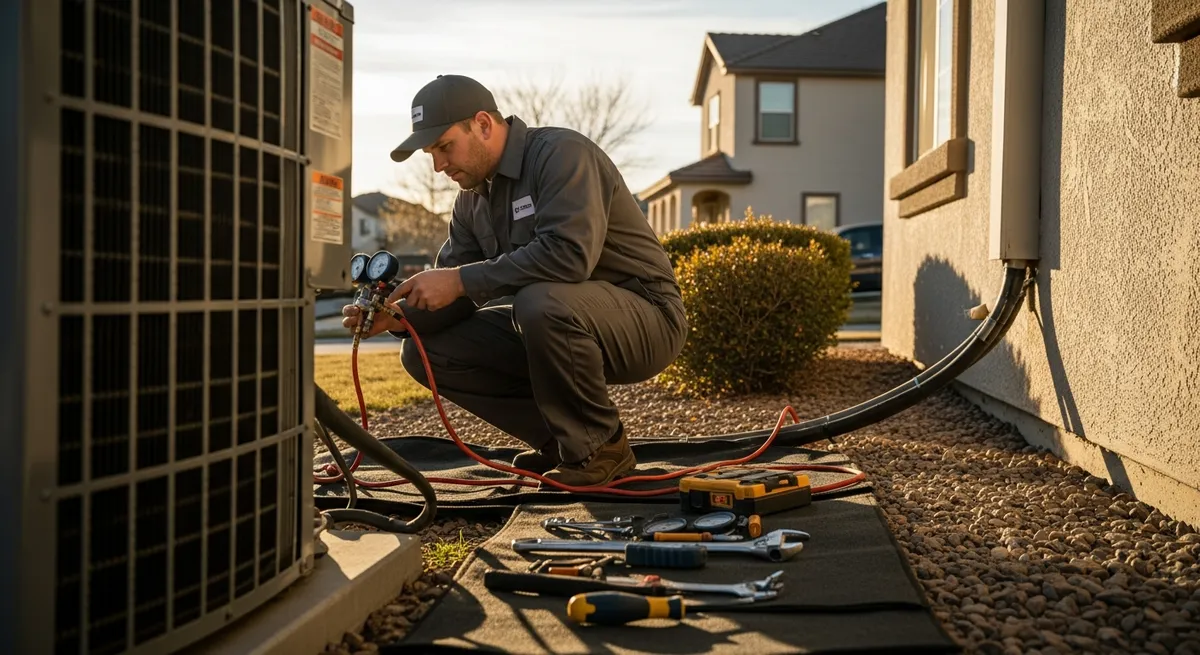
- HVAC runs two peaks. Heating demand spikes with the first cold snap in fall and holds through winter. Cooling demand climbs with the first hot week and peaks in mid-summer. The shoulder seasons in spring and fall are where maintenance plans and system replacements get sold, before anyone is in an emergency.
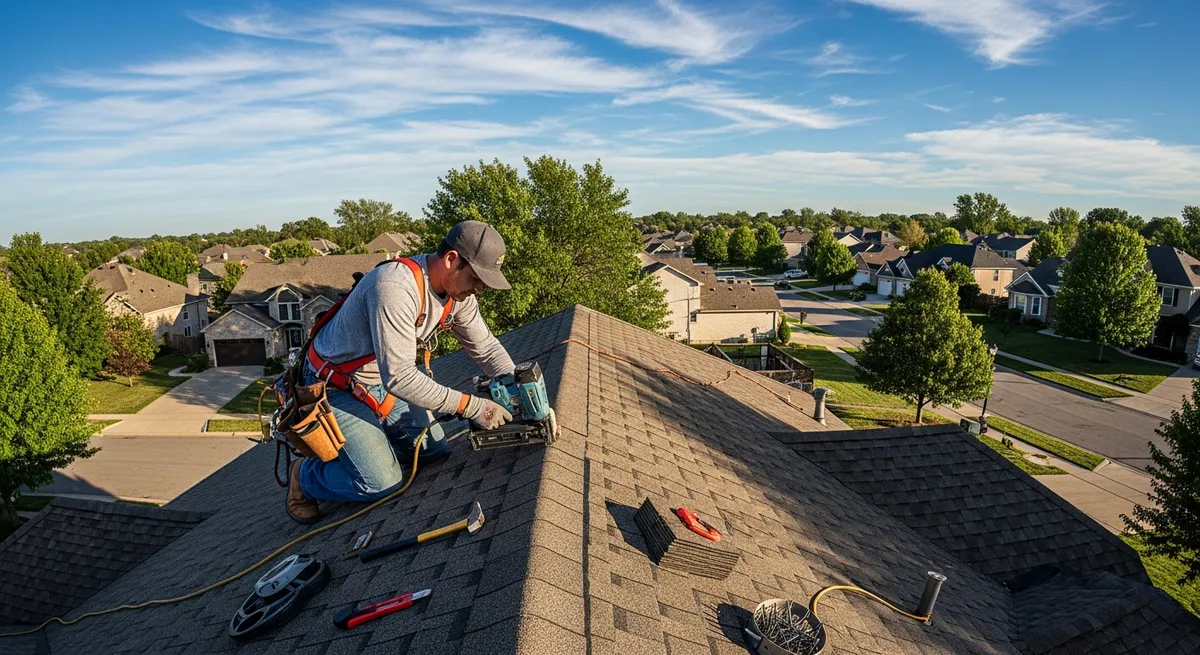
- Roofing follows storm season. Wind, hail, and heavy rain drive urgent calls, and the weeks after a big weather event are the busiest of the year. Beyond the storms, dry stretches are prime time for planned replacements and inspections, because that is when a roof can actually be worked on.
- Landscaping has a spring surge and a fall push. Spring brings cleanups, planting, and new project inquiries as soon as the weather turns. Fall brings leaf removal, winter prep, and the last window for planting. Mid-summer and deep winter are quieter for most crews in our region.
- Painting concentrates in the warm, dry months. Exterior work in the Pacific Northwest lives or dies by the weather, so the summer is the season everyone competes for. Interior work can fill the shoulder and winter months, which is exactly where smart operators shift their message when the exteriors slow down.
Your own numbers are the real map. We look at two or three years of call volume, form fills, and closed jobs by month, and the shape of the year shows up quickly. Once you can see the curve, every other decision gets easier.
Shift ad budget toward the buying season
Paid search is the lever that moves fastest, which makes it the right place to reflect the season first. When someone types "furnace repair near me" during the first freeze, they are ready to hire that day. A dollar of Google Ads spend in that moment is worth far more than the same dollar in a slow month, because the intent behind the search is so much higher.
The practical approach is to plan the year in seasons, not in flat months. Concentrate budget into the weeks when intent is highest, pull back during the troughs, and hold a reserve for the unpredictable spikes, especially in a storm-driven trade like roofing. We also lean harder on emergency and urgent-service keywords during the peak, because that is when the "right now" searches surge, and ease off them when the season turns toward planned work.
Pulling back in the slow season does not mean going dark. It means spending deliberately. A smaller, tightly targeted campaign keeps you visible to the people who are still searching, and it keeps your account healthy so you are not starting cold when demand returns.
Build SEO in the off-season for the on-season
Here is the part most owners get backward. Search engine optimization does not pay off the week you invest in it. It pays off months later, once pages have been published, indexed, and earned some authority. That lag is the whole reason the slow season is the best time to invest in it.
The work you put into SEO during your quiet months is what ranks when your busy months arrive. If you wait until you are slammed to start building out your service pages and location pages, you have already missed the window. The content will not mature in time to catch the wave you are trying to ride.
For an HVAC company, that means building and strengthening your air-conditioning pages in late winter and early spring, well before the first heat wave, and shoring up your heating pages over the summer. For a painter, it means the interior-painting content gets attention in the busy exterior season so it is ready to carry the winter. The off-season is not downtime. It is your build season.
Match content and promotions to the moment
Content and offers should speak to what the season is actually putting in front of your customers. Generic year-round messaging gets ignored. Timely messaging gets read, because it names the exact thing the homeowner is already worried about.
A few of the moves we plan around the calendar:
- Pre-season maintenance offers. A furnace tune-up promoted in early fall, or an air-conditioning check promoted in late spring, catches homeowners before the rush and smooths out your schedule. It also builds the relationship before the emergency, so you are the first call when something breaks.
- Seasonal content that answers the season's questions. A guide to spotting roof damage after a windstorm, published as storm season opens, or a piece on when to schedule exterior painting in our climate, lands because the timing is right. It also feeds the plain-language pages that both search engines and AI tools draw from.
- Off-season incentives that fill the calendar. A modest discount on interior painting in the winter, or on a roof inspection during a dry stretch, pulls work into the months that would otherwise be thin. You are trading a little margin for a fuller schedule and steadier cash flow.
- Email and existing customers. Your past customers are the cheapest demand you have. A seasonal reminder to the people who already trust you often outperforms cold advertising, and it costs a fraction as much.
Put it together as one plan
The pieces reinforce each other when they run on the same calendar. SEO built in the off-season creates the organic visibility that carries the peak. Paid search concentrated in the peak captures the urgent, high-intent searches that organic alone will not reach fast enough. Content published ahead of each season feeds both channels. Promotions smooth out the schedule so your crews are not swinging between overwhelmed and idle.
We map this as a twelve-month plan for the businesses we work with, one that says what to spend, what to publish, and what to promote in each stretch of the year, all anchored to that trade's real demand curve. It is not more work than running a flat plan. It is the same effort, aimed at the moments where it actually pays.
Frequently asked questions
How far ahead should we start marketing for a season?
Start the paid-search push a few weeks before demand climbs, so you are visible the moment intent rises. Start the SEO and content work far earlier, ideally a full season ahead, because those investments need months to mature before they rank and convert.
Should we stop advertising entirely in our slow months?
We do not recommend going dark. Pull the budget back and tighten the targeting, but keep a lean campaign live. Staying visible to the smaller pool of off-season buyers is cheaper than restarting a cold account, and the slow months are also when you should be investing in the SEO that pays off later.
Our trade is driven by unpredictable weather. Can we still plan for it?
Yes. You cannot schedule a storm, but you can prepare for one. We keep a reserve budget ready to deploy the moment weather drives urgent demand, and we make sure your emergency-service pages and ad campaigns are already built and approved, so you can scale up in hours instead of days.
What is the single highest-value thing to do first?
Map your own demand curve from your past two or three years of call and job data. Every budget, content, and promotion decision gets sharper once you can see exactly when your busy and slow months fall. That map is the foundation everything else sits on.
Need help?
We write about what we actually do
Every article comes from real client work and real results. If you want that for your business, let us know.